Comprehensive Overview to the Uses and Production Techniques in Light Weight Aluminum Shop Procedures
The substantial guide to light weight aluminum shop procedures offers vital understandings into the diverse applications of light weight aluminum throughout different industries. It methodically takes a look at necessary manufacturing techniques, thawing processes, and molding approaches that contribute to accuracy and high quality. Additionally, the overview highlights the relevance of completing procedures that enhance both mechanical buildings and look. Understanding these components is vital for any person associated with light weight aluminum production, questioning about best practices and innovations in the area.
Overview of Light Weight Aluminum Casting Applications
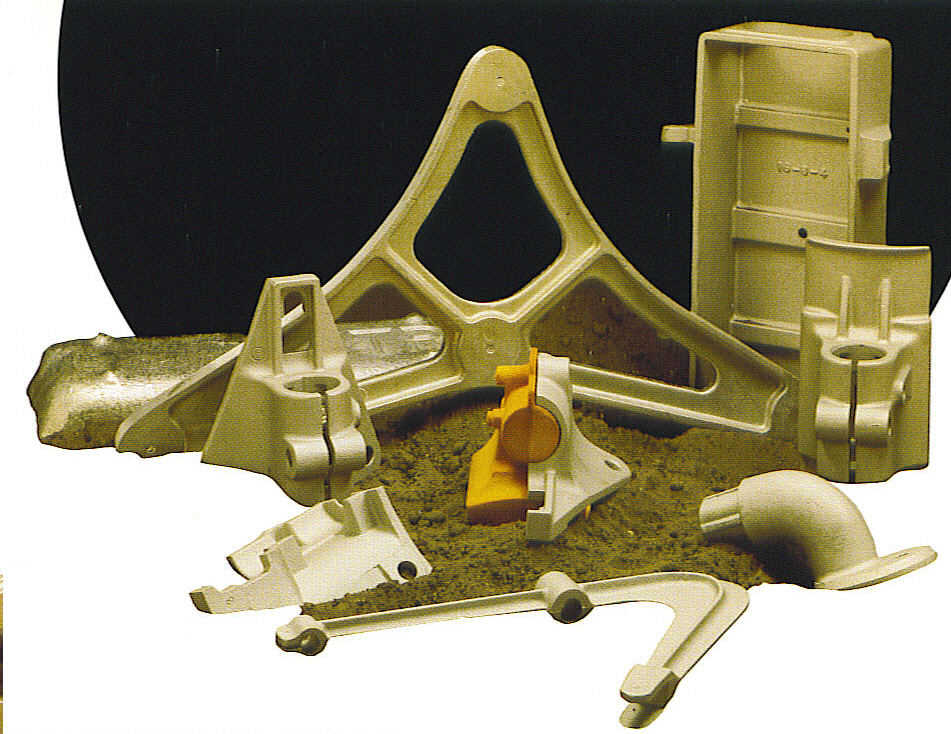
Furthermore, the building market gain from light weight aluminum spreadings in structural components and building aspects, offering sturdiness and resistance to rust. Consumer products, such as pots and pans and home appliances, also use aluminum spreadings for their heat conductivity and aesthetic appeal. The electronic devices market counts on light weight aluminum for housings and warmth sinks, ensuring efficient thermal administration. On the whole, aluminum casting's adaptability enables it to fulfill diverse industry requirements properly, solidifying its value in contemporary production techniques.
Key Production Techniques in Light Weight Aluminum Foundry
In the domain of aluminum shop procedures, numerous production methods play an essential duty in shaping the end products that serve varied industries. aluminum foundry. Secret strategies consist of sand casting, pass away casting, and investment casting, each offering distinct advantages based on the application requirements
Sand spreading makes use of a mix of sand and binder to create molds, permitting intricate geometries at lower expenses. Die casting, on the various other hand, employs high-pressure injection of liquified light weight aluminum right into steel molds, making sure precision and a smooth surface coating, ideal for high-volume manufacturing. Investment casting provides outstanding dimensional accuracy and surface area top quality, making it ideal for intricate designs.
Additionally, methods such as long-term mold spreading and gravity pass away casting additionally enhance the convenience of aluminum shop operations (aluminum foundry). Each method is picked based on factors like manufacturing volume, component intricacy, and material homes, making certain beneficial results across various applications
Thawing Processes and Temperature Level Control
Reliable melting procedures and accurate temperature level control are fundamental for accomplishing optimal light weight aluminum foundry operations. The melting of light weight aluminum generally includes numerous methods, including crucible melting, induction melting, and rotating melting, each with its very own advantages and applications. Crucible melting is typically utilized for tiny sets, while induction melting offers effective home heating and consistent visit here temperature level distribution.
Molding Strategies for Precision Castings
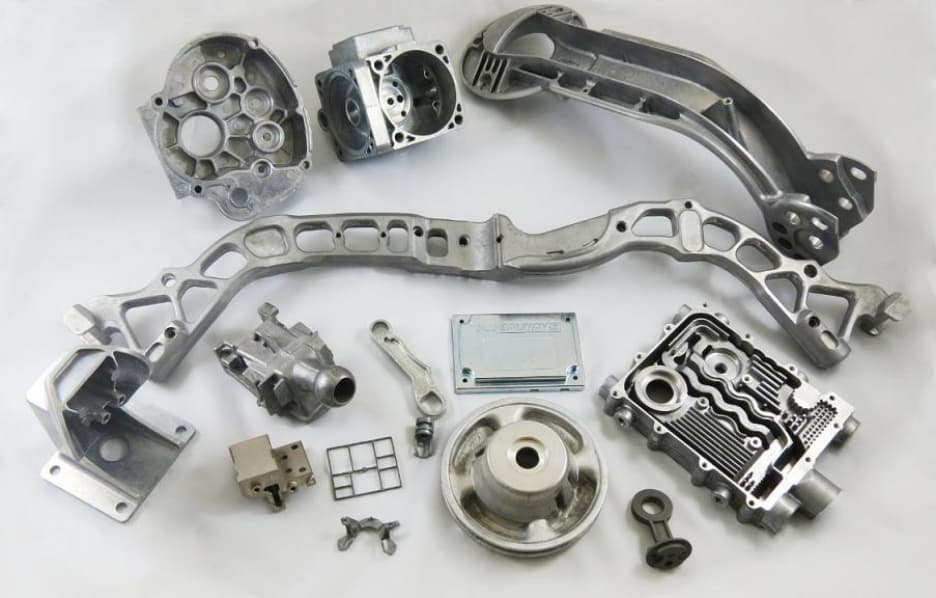
Understanding molding methods is important for generating precision spreadings in aluminum shop procedures. Various techniques, such as sand, investment, and die spreading, play a vital role in attaining wanted tolerances and surface finishes. Sand casting, for example, uses a blend of sand and binder to create molds, enabling detailed layouts and huge parts. Financial investment casting, on the various other hand, utilizes wax patterns that are coated in ceramic material, leading to highly outlined and specific forms. Pass away casting uses high-pressure shot of liquified light weight aluminum right into metal molds, making sure regular measurements and fast manufacturing prices.
Each strategy has its benefits and is picked based on variables such as intricacy, quantity, and mechanical buildings called for. Reliable mold and mildew layout, consisting of airing vent and gating systems, additionally boosts the top quality and precision of the ended up item. Comprehending these molding methods allows factories to satisfy certain sector needs and improve general operational efficiency.
Completing Procedures to Improve Aluminum Components
Completing processes play an important function in enhancing the efficiency and appearances of light weight aluminum parts. These processes, which comply discover here with spreading, aim to improve surface quality, corrosion resistance, and mechanical properties. Common strategies consist of machining, which improves measurements and surface finish, and sprucing up, which enhances visual appeal by producing a smooth, reflective surface area.
Anodizing is an additional substantial process, providing a durable oxide layer that secures against wear and rust while enabling color modification. Additionally, powder layer uses a variety of colors and coatings, guaranteeing both protection and visual enhancement.
In some cases, elements might undergo shot blowing up to boost and remove pollutants attachment for succeeding finishes (aluminum metal casting). Generally, these ending up processes are necessary for taking full advantage of the capability and lifespan of aluminum elements, making them ideal for varied applications throughout various industries
Frequently Asked Concerns
What Precaution Are Necessary in Aluminum Factory Procedures?
In light weight aluminum foundry procedures, essential precaution include personal official source protective tools, appropriate ventilation, fire avoidance procedures, routine devices upkeep, training for employees on hazards, and maintaining clear emergency procedures to guarantee a risk-free functioning setting.
Just How Do Ecological Regulations Impact Aluminum Foundries?
Environmental guidelines considerably affect light weight aluminum factories by applying standards for discharges, waste administration, and source intake. Conformity frequently requires investments in cleaner technologies and procedures, ultimately affecting operational prices and manufacturing effectiveness within the industry.
What Occupation Opportunities Exist in Aluminum Foundry Procedures?
Different profession opportunities in light weight aluminum foundry procedures include duties such as shop service technician, mold developer, high quality control inspector, procedure engineer, and manufacturing manager, each adding to effective production and cutting-edge processes within the sector.
Just How Is Top Quality Control Achieved in Aluminum Casting?
Quality assurance in light weight aluminum casting is achieved via strenuous inspections, standard testing procedures, and making use of innovative modern technologies. Routine tracking of temperature level, composition, and dimensional accuracy guarantees products satisfy defined requirements and customer requirements.
What Are the Usual Problems in Aluminum Castings and Their Reasons?
Common issues in aluminum spreadings consist of surface area, shrinkage, and porosity roughness. Causes usually stem from improper mold design, inadequate pouring techniques, and contamination, impacting the general stability and performance of the final product.
The substantial overview to light weight aluminum factory procedures provides essential understandings right into the varied applications of aluminum across various industries. Aluminum spreading plays a necessary function in different markets due to its adaptability and desirable buildings. Pass away casting, on the other hand, uses high-pressure shot of molten aluminum into steel molds, guaranteeing precision and a smooth surface area finish, suitable for high-volume production. In addition, methods such as long-term mold spreading and gravity die casting further boost the convenience of light weight aluminum foundry procedures. Understanding molding methods is vital for creating precision spreadings in aluminum foundry operations.